History and collections
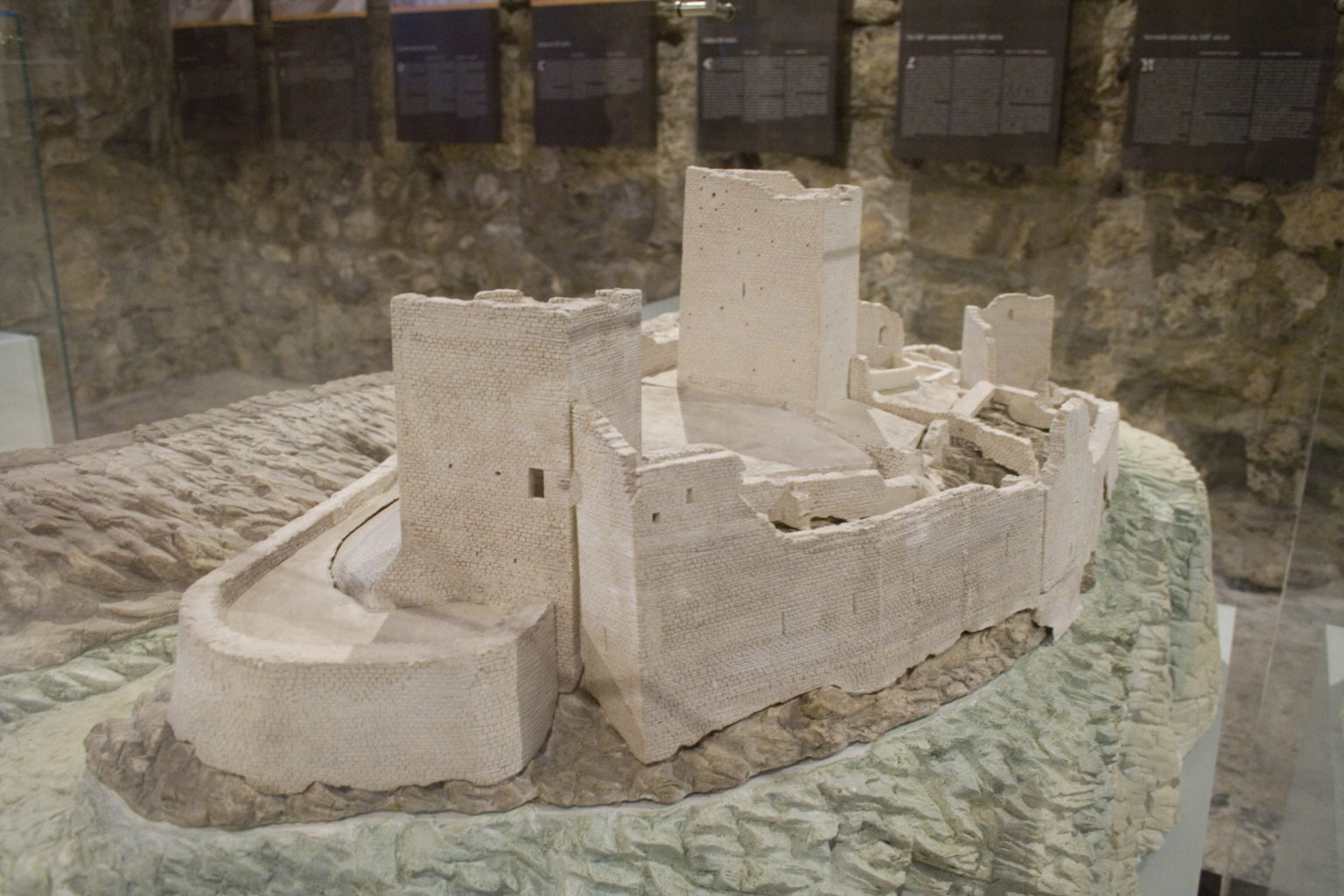
Chillon Castle as we know it today is the culmination of several centuries of construction and redevelopment.
The excavations carried out from the end of the 19th century, particularly those led by archaeologist Albert Naef (1862-1936), indicate that the site has been occupied since the Bronze Age.
The fortress took on the oval shape of the rocky island upon which it was built. It’s approximately 100m long and 50m wide. It also took its name from the rock; the word ‘Chillon’ meant ‘rocky platform’ in an ancient language.
3 periods that made their mark on the monument
1 From the 12th to 16th centuries – The Savoy period
The first written mention of Chillon Castle dates back to 1150. At that time, the castle belonged to the counts and countesses of Savoy. Given its strategic position along the Great Saint Bernard Pass and the Via Francigena, the Savoy family decided to introduce a toll in exchange for securing and maintaining the road.
In the 13th century, Peter II of Savoy made the fortress his summer home. After this, the dynasty continued its conquest of the Pays de Vaud.
In 1436, Aymonet Corniaux carried out major works at the request of Amadeus VIII, modifying the defence mechanisms on top of the towers and the rampart walls.
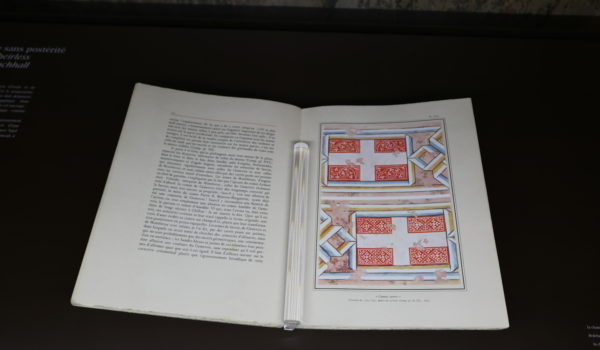
One of the more famous prisoners was François Bonivard, who was detained for six years for his Reformist beliefs. Slowly abandoned by the Savoy court in favour of other residences, Chillon remained under their control until the arrival of the Bernese in 1536.
2 From the 16th to 18th centuries – The Bernese period
In 1536, the Bernese invaded the Pays de Vaud and claimed Chillon Castle after a three-week siege which saw the castellan flee with his servants by boat. The new owners gained an asset; albeit a little dilapidated, it had been left mostly unscathed by the Burgundian War.
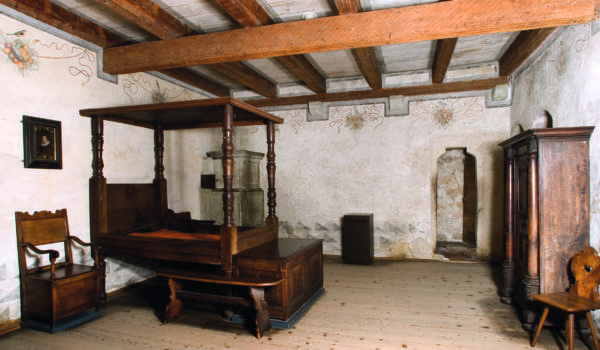
Chillon became the administrative hub for the bailiwick of Vevey and the bailiff’s residence.
The lakeside facade was adorned with the Bernese coat of arms, traces of which can still be seen today. For almost 260 years, the castle retained its function as a fortress, arsenal and prison, while adapting its defence mechanisms to modern firearms.
3 From the 18th century to present day – The Vaudois period
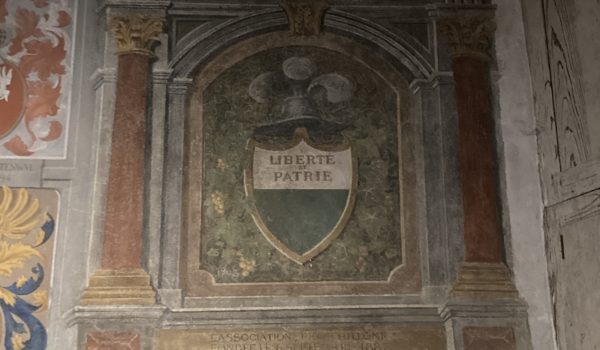
On 10 January 1798, patriots from Vevey and Montreux claimed Chillon Castle from the Bernese, who left graciously without a fight. On 24 January, they proclaimed Vaudois independence. From this point on, the castle was state property belonging to the Canton of Vaud.
Used to house weapons and state prisoners, it also attracted its first visitors and inspired Romantic artists. Chillon also inspired Rousseau – who set part of Julie or The New Eloise at the castle. In 1816, the poet Lord Byron wrote The Prisoner of Chillon, which brought the monument worldwide renown and made the prisoner François Bonivard a symbol of freedom.
Other artists to pay homage to the castle most notably included Victor Hugo, William Turner, Leo Tolstoy, Gustave Courbet and Salvador Dalí.
In the late 19th century, the moment was restored under the supervision of cantonal archaeologist Albert Naef.
Collections
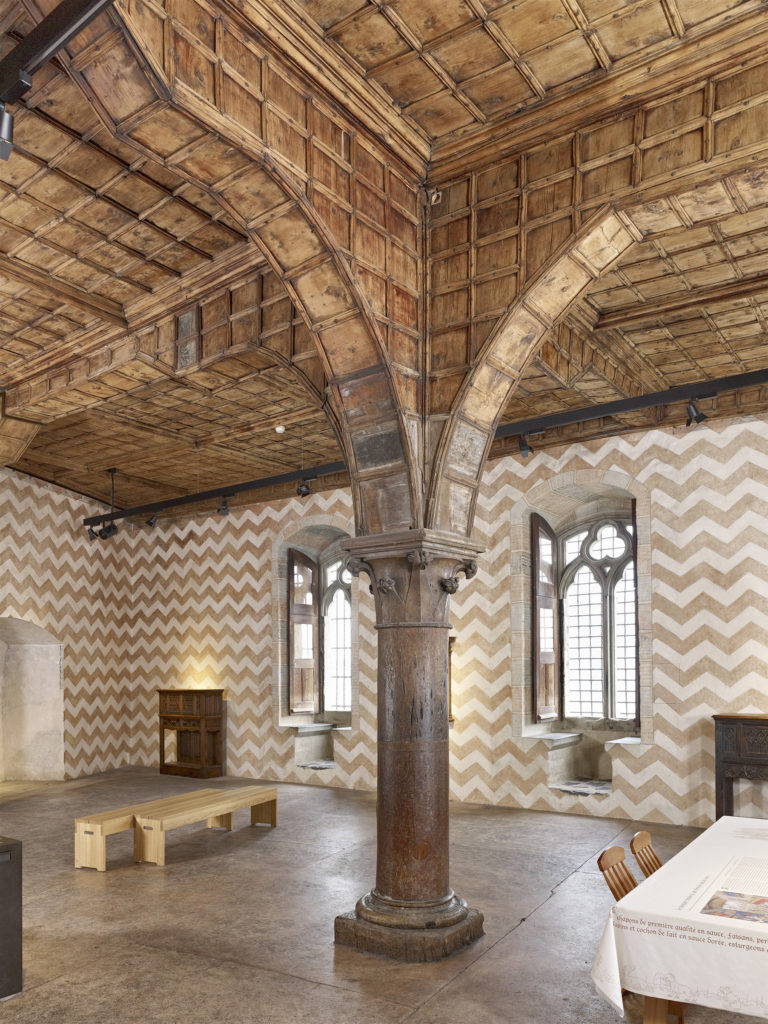
As an exceptional heritage monument, Chillon Castle has around 300 items on display throughout. With the exception of the furniture, weapons and armour, all the items exhibited here were found during the archaeological digs carried out at the castle from 1896 to 1903. The collections belong to the Cantonal Museum of Archaeology and History in Lausanne under the name ‘fonds Chillon’ (Chillon Collection).

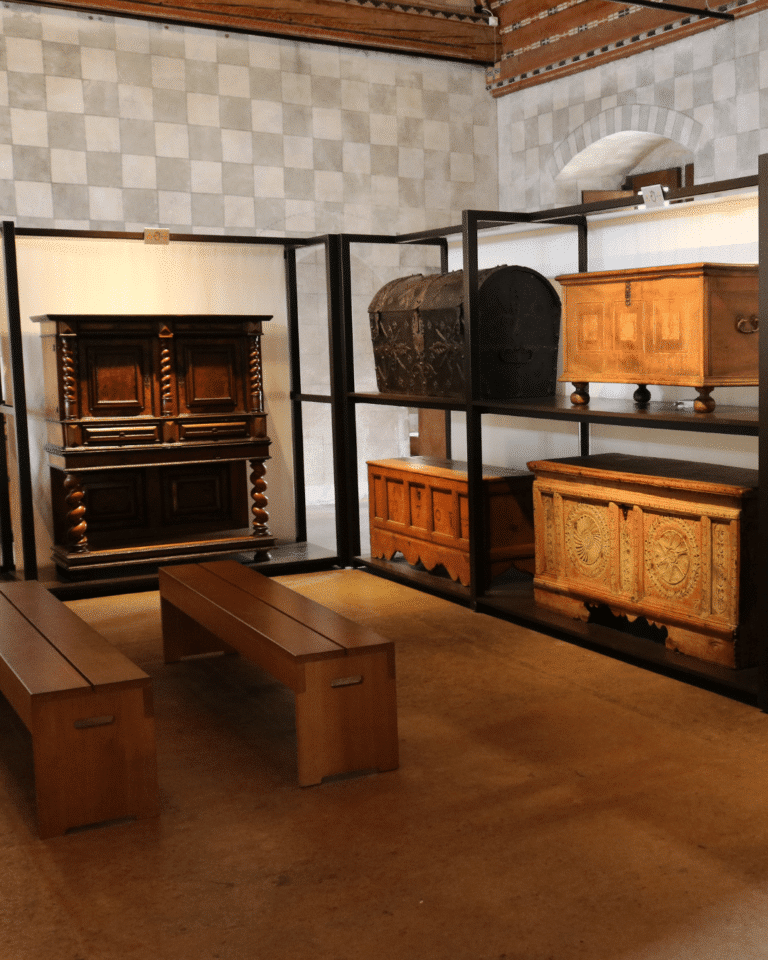
Furniture
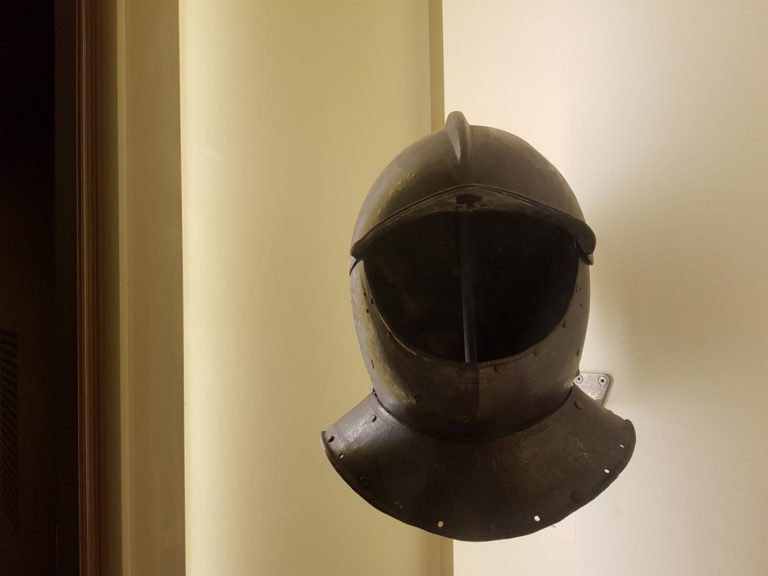
Weapons and armour
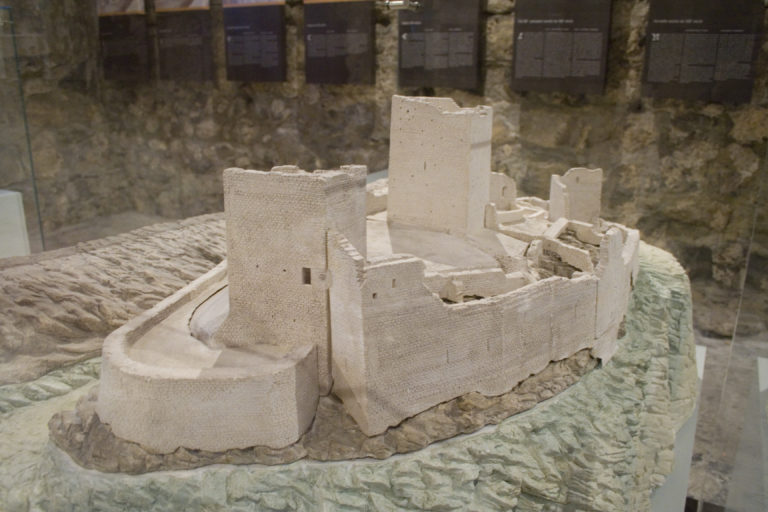
Archaeological objects
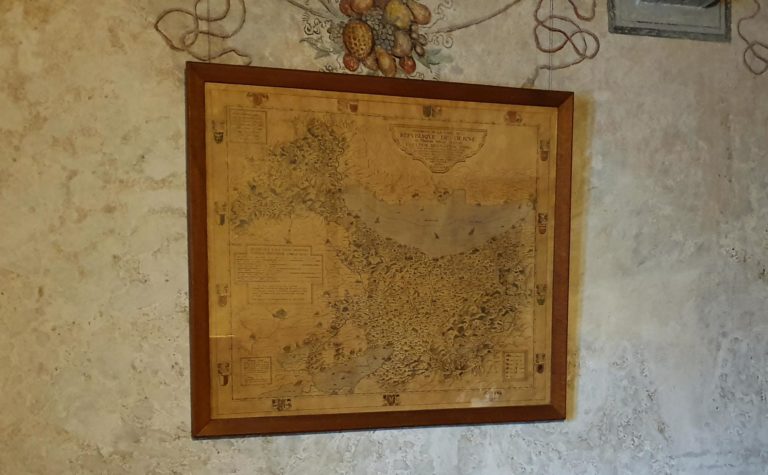
Paintings and murals